Life & Legacy
Early Life
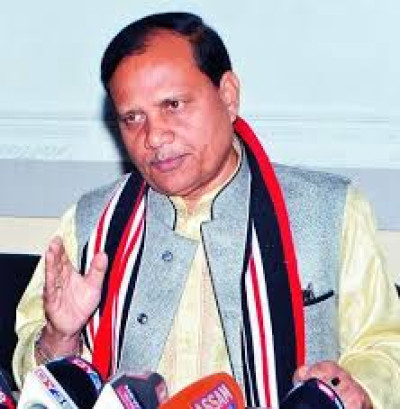
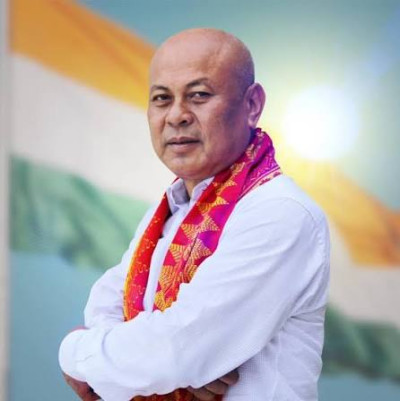
Akhil Gogoi was born on 24 July 1976 in Selenghat, Jorhat district, Assam, to Boluram Gogoi and Priyada Gogoi. He spent his childhood in rural Assam, where he closely witnessed the challenges faced by farmers, landless families, and economically weaker sections of society. These early experiences significantly influenced his commitment to public service and social justice.
Education
He completed his higher education at Cotton College, Guwahati, where he studied English Literature between 1993 and 1996. During his college years, he actively participated in student politics and served as the General Secretary and Magazine Secretary of the Cotton College Students' Union. His involvement in debates, literature, and student leadership helped develop his communication skills and strengthened his interest in public affairs.
Social and Public Activism
After completing his education, Akhil Gogoi dedicated himself to grassroots activism. Rather than pursuing a conventional political career immediately, he chose to work directly with farmers and marginalized communities. He became associated with various people's movements and later co-edited the Assamese political journal Natun Padatik, which encouraged discussions on social justice, democracy, and public welfare.
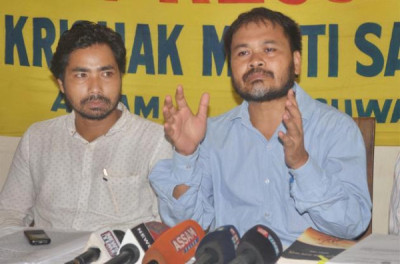
His most significant contribution came through the establishment of the Krishak Mukti Sangram Samiti (KMSS), a mass organization formed to protect the interests of farmers, indigenous communities, and rural people. Under his leadership, KMSS organized numerous peaceful movements demanding land rights, fair compensation, transparency in governance, and protection of natural resources.
Campaign Against Corruption
Akhil Gogoi gained nationwide recognition through his use of the Right to Information Act (RTI). By filing RTI applications and exposing irregularities in government projects, he helped uncover several corruption cases in Assam. One of his most notable achievements was exposing financial irregularities in the Sampoorna Gram Rozgar Yojana in Golaghat district. His efforts earned him the National Right to Information Award in 2010, recognizing his contribution to promoting transparency and accountability.
Environmental Protection
Environmental conservation has remained one of the defining aspects of Akhil Gogoi's public life. He led large-scale protests against mega hydroelectric projects, particularly the Lower Subansiri Hydroelectric Project, highlighting concerns over ecological damage, seismic risks, and displacement of local communities. His campaigns brought national attention to environmental issues affecting Northeast India and encouraged wider public debate on sustainable development.
Political Career
In 2020, Akhil Gogoi founded the regional political party Raijor Dal with the objective of representing the interests of the people of Assam through democratic politics. During the 2021 Assam Legislative Assembly election, he contested from the Sibsagar constituency while in judicial custody and secured a historic victory, becoming the first person in Assam to win an Assembly election from jail. In 2026, Akhil Gogoi of the Raijor Dal emerged victorious in the election, securing a total of 86521 votes. He defeated BJP candidate Kushal Dowari by a decisive margin of 17272 votes.
He continues to serve as the Member of the Assam Legislative Assembly from Sibsagar and regularly raises issues relating to farmers' welfare, unemployment, education, flood management, indigenous rights, environmental protection, and public accountability.
Contributions to Assamese Society
Apart from politics, Akhil Gogoi has promoted biodiversity conservation and rural development. Under the initiatives of KMSS, the Kaziranga National Orchid and Biodiversity Park was established to preserve Assam's rich natural heritage while promoting tourism, traditional knowledge, and environmental awareness. He has also encouraged direct farmer-to-consumer markets, enabling farmers to sell agricultural products without middlemen.
Major Achievements
- Founder of Krishak Mukti Sangram Samiti (KMSS).
- Founder and President of Raijor Dal.
- National Right to Information Award recipient (2010).
- Exposed corruption using the Right to Information Act.
- Led statewide movements for farmers' rights.
- Led anti-big dam environmental campaigns.
- Promoted transparency and public accountability.
- Established direct farmer marketing initiatives.
- Elected MLA from Sibsagar Assembly Constituency.
- Continues to advocate for indigenous rights and environmental protection.
Positions Held
- Founder Secretary, Krishak Mukti Sangram Samiti (KMSS)
- President, Raijor Dal
- Member of the Assam Legislative Assembly (Sibsagar Constituency)
Awards and Recognition
- Shanmugam Manjunath Integrity Award (2008)
- National Right to Information Award (2010)
Legacy
Akhil Gogoi represents a generation of leaders who entered politics through grassroots activism rather than traditional political structures. His work in defending farmers' rights, promoting transparency, protecting the environment, and advocating democratic participation has made him one of the most influential contemporary public figures from Assam. His journey continues to inspire young people interested in public service, social justice, and responsible governance.
FAQs on Akhil Gogoi
1. Who is Akhil Gogoi?
Akhil Gogoi is an Indian social activist, politician, farmers' leader, founder of Raijor Dal, and MLA from Sibsagar in Assam.
2. Why is Akhil Gogoi famous?
He is known for leading farmers' movements, anti-corruption campaigns, environmental protests, and advocating for indigenous rights in Assam.
3. What is KMSS?
Krishak Mukti Sangram Samiti (KMSS) is a farmers' organization founded by Akhil Gogoi to protect the rights of farmers and rural communities.
4. Which political party was founded by Akhil Gogoi?
He founded the regional political party Raijor Dal in 2020.
5. Which constituency does Akhil Gogoi represent?
He represents the Sibsagar Assembly Constituency in the Assam Legislative Assembly.
6. What award did Akhil Gogoi receive for RTI activism?
He received the National Right to Information Award in 2010 for exposing corruption through RTI.
7. What environmental movements did Akhil Gogoi lead?
He led campaigns against large hydroelectric dam projects and advocated for environmental conservation in Assam and Northeast India.
8. What is Akhil Gogoi's educational background?
He studied English Literature at Cotton College, Guwahati, and actively participated in student leadership.
9. Has Akhil Gogoi written any books?
No major published books are officially credited to him, although he has contributed articles and opinion pieces on public issues.
10. Why is Akhil Gogoi considered an important leader in Assam?
He is regarded as an influential grassroots leader for his work in protecting farmers' rights, promoting transparency, environmental conservation, and democratic governance.