Life & Legacy
Early Life
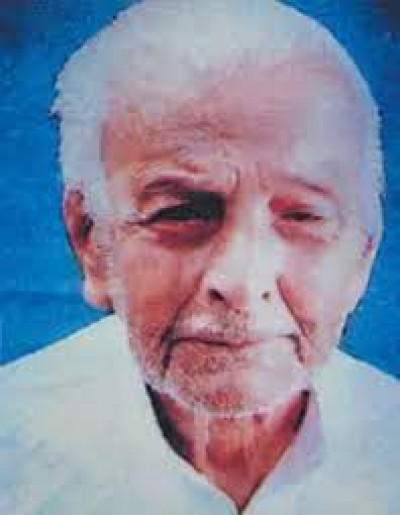
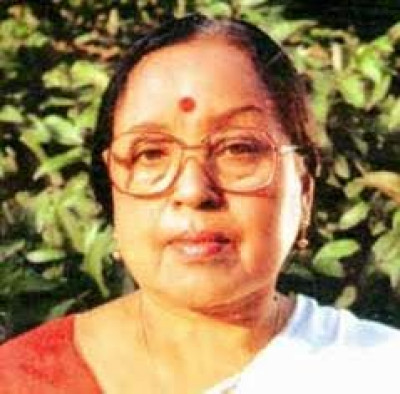
Aideu Nilambar Handique was born in 1915 in Panidihingia, also known as Betioni Handique Gaon, in present-day Golaghat district of Assam. She was born into a simple Assamese family to Nilambar Handique and Malakhi Handique. Her childhood was spent in a rural environment where traditional customs strongly influenced everyday life.
Very little is recorded about her formal education. Growing up in a modest family during the early twentieth century, educational opportunities for girls were limited, especially in rural Assam. Despite these challenges, Aideu possessed natural confidence and expressive talent, qualities that would later make her an ideal choice for the historic role of Joymoti.
Journey into Assamese Cinema
The turning point in Aideu Handique's life came when she was around sixteen years old. A relative showed her photograph to Jyoti Prasad Agarwala, who was searching for a young woman to portray the brave Ahom queen Joymoti in his dream project. Agarwala believed that cinema could become a powerful medium for promoting Assamese culture, history and language, and he wanted a fresh face who could bring authenticity to the role.
Initially, Aideu was hesitant because acting in films was almost unheard of for Assamese women during that period. Understanding her fears, Jyoti Prasad Agarwala personally trained and guided her. She learned how to perform before the camera, express emotions, deliver dialogues and portray the strength and dignity of Queen Joymoti. Although she had no previous acting experience, her dedication and natural talent helped her deliver a memorable performance.
Role in Joymoti
In 1935, Aideu Handique appeared as the lead actress in Joymoti, the first Assamese feature film. The film was based on the story of the courageous Ahom princess Joymoti Konwari, who sacrificed her life to protect the future of the Ahom kingdom. The production of Joymoti marked the beginning of Assamese cinema and remains one of the most significant milestones in the cultural history of Assam.
Aideu's graceful performance received praise from those associated with the film and established her as the first heroine of Assamese cinema. Although the film achieved immense historical importance, its commercial success was limited because of technical and financial challenges. Nevertheless, Joymoti laid the foundation for the Assamese film industry and earned a permanent place in Indian cinema history.
Social Challenges and Personal Struggles
While Aideu Handique made history through her performance, her personal life took a tragic turn after the film's release. The conservative social mindset of the 1930s considered acting in films inappropriate for women. Many people believed that appearing on screen alongside male actors violated traditional social norms.
When she returned to her village, she faced severe social rejection. Many members of the community criticised her for acting in a film, and she was subjected to isolation and humiliation. According to accounts from her later life, she was not accepted by many people in her own village and lived under extremely difficult circumstances for decades.
Because of the social stigma attached to her acting career, Aideu remained unmarried throughout her life. Instead of receiving recognition as a pioneering artist, she endured loneliness and financial hardship. Her experience reflects the immense challenges faced by women who broke social barriers during the early years of Indian cinema.
Recognition and Later Years
For many years, Aideu Handique's contribution remained largely forgotten. It was only during the Golden Jubilee celebrations of Assamese cinema in 1985 that her pioneering role received wider public recognition. The Government of Assam honoured her contribution and extended financial assistance through a monthly pension.
She was also presented with a surviving copy of Joymoti, allowing her to witness the historic film in which she had acted decades earlier. Various cultural organisations, filmmakers and cinema enthusiasts gradually began acknowledging her role in shaping Assamese cinema.
A girls' school in her native village was named after her in recognition of her contribution, and documentaries and films based on her life introduced her inspiring story to new generations.
Achievements and Legacy
Although Aideu Handique acted in only one major film, her achievement remains extraordinary. She became:
- The first actress of Assamese cinema.
- The leading actress of Joymoti, the first Assamese feature film.
- One of the earliest female film actors from Northeast India.
- A pioneer who broke social barriers for women in regional cinema.
- A symbol of courage, perseverance and artistic dedication.
Her life story also inspired the acclaimed Assamese film Aideu (Behind the Screen), which portrayed the struggles she faced after becoming the first heroine of Assamese cinema.
Death
After living a life marked by hardship, illness and delayed recognition, Aideu Handique passed away on 17 December 2002. Her death marked the end of a remarkable journey that reflected both the birth of Assamese cinema and the social challenges faced by women artists during the early twentieth century.
Although she left the world quietly, her contribution to Assamese culture continues to be celebrated. Film festivals, historians, writers and cultural organisations regularly remember her as one of the pioneers who helped establish the Assamese film industry.
Conclusion
Aideu Handique's life is a story of courage, sacrifice and determination. By accepting the lead role in Joymoti, she not only became Assam's first film actress but also opened the doors for future generations of women in Assamese cinema. Her personal struggles remind us of the social barriers that early women artists had to overcome, while her achievements highlight the importance of preserving cultural history.
Today, Aideu Handique is honoured as a pioneer of Assamese cinema whose contribution extends far beyond a single film. Her remarkable journey continues to inspire filmmakers, actors, students and lovers of Assamese culture, ensuring that her legacy remains alive for generations to come.
FAQs on Aideu Handique
- Who was Aideu Handique?
Aideu Handique was the first actress of Assamese cinema. She gained historic recognition by playing the lead role in Joymoti (1935), the first Assamese feature film directed by Rupkonwar Jyoti Prasad Agarwala.
- Why is Aideu Handique famous?
Aideu Handique is famous for becoming the first Assamese film actress. Her role in Joymoti marked the beginning of Assamese cinema and made her one of the earliest women pioneers of Indian regional films.
- When and where was Aideu Handique born?
Aideu Handique was born in 1915 in Panidihingia, also known as Betioni Handique Gaon, in present-day Golaghat district of Assam.
- Which was Aideu Handique's first film?
Aideu Handique's first and most famous film was Joymoti, released in 1935. It was the first Assamese feature film and is regarded as a landmark in the history of Assamese cinema.
- Who directed the film Joymoti?
Joymoti was directed and produced by Rupkonwar Jyoti Prasad Agarwala, one of the greatest cultural icons of Assam and the pioneer of Assamese cinema.
- Why did Aideu Handique remain unmarried?
According to historical accounts, Aideu Handique faced severe social ostracism after acting in Joymoti. The conservative social attitudes of that era resulted in her remaining unmarried and living a life of hardship.
- Did Aideu Handique receive recognition during her lifetime?
Yes. Although recognition came much later, the Government of Assam honoured her contribution during the Golden Jubilee celebrations of Assamese cinema and provided her with a monthly pension. She was also honoured by various cultural organisations.
- When did Aideu Handique pass away?
Aideu Handique passed away on 17 December 2002 after a prolonged illness, leaving behind an unforgettable legacy in the history of Assamese cinema.
- What is the legacy of Aideu Handique?
Aideu Handique is remembered as the pioneer of Assamese film acting. Her courage opened the doors for future generations of women in Assamese cinema and made her an enduring symbol of determination and artistic excellence.
- Why is Aideu Handique important in the history of Assam?
Aideu Handique played a crucial role in the birth of Assamese cinema. Despite facing social rejection, she became an icon of cultural history whose contribution continues to inspire filmmakers, artists and young women across Assam.