Life & Legacy
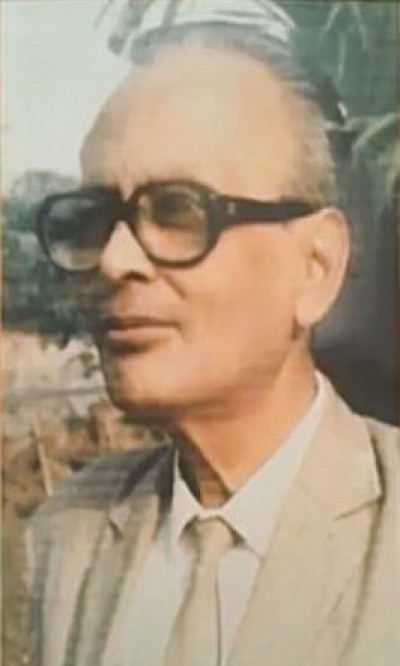
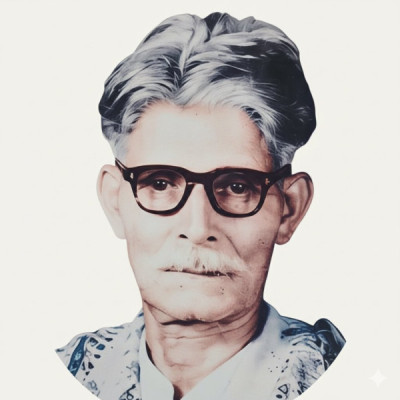
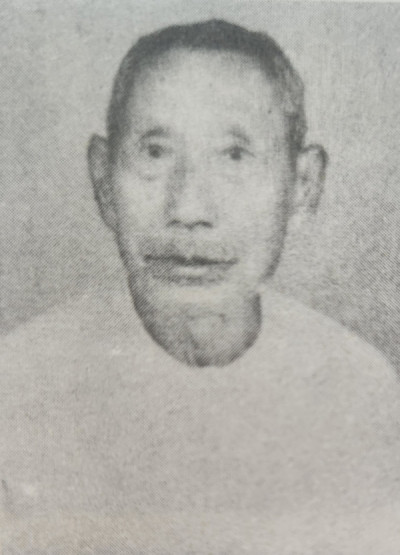
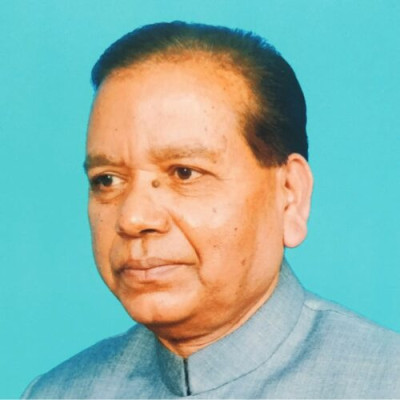
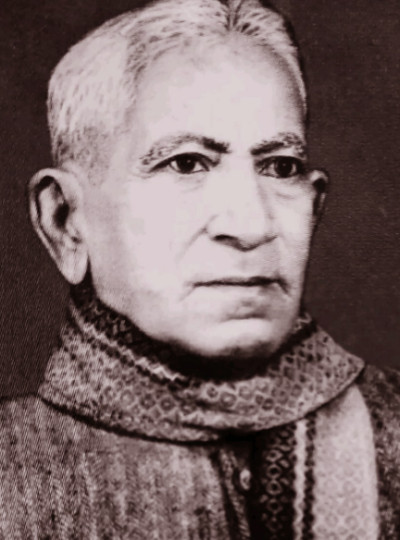
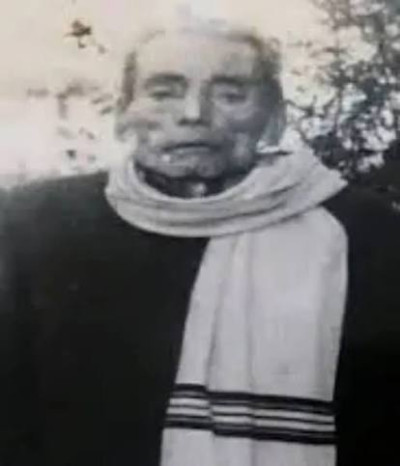
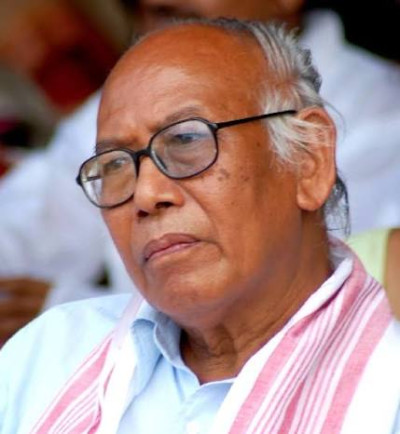
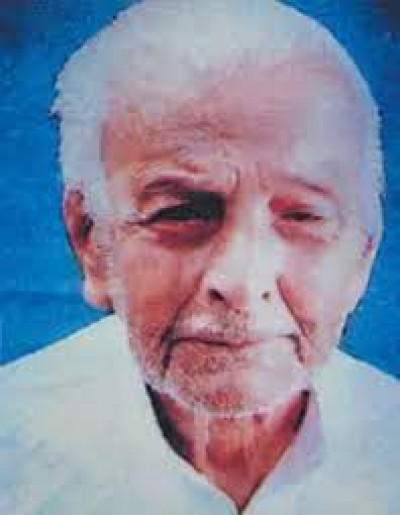
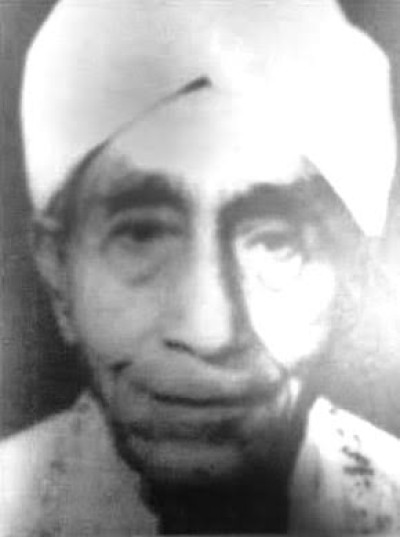
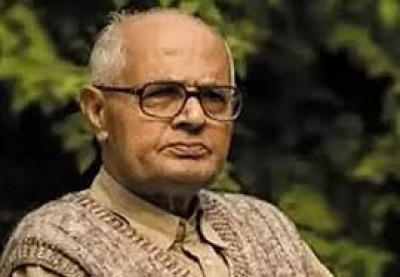
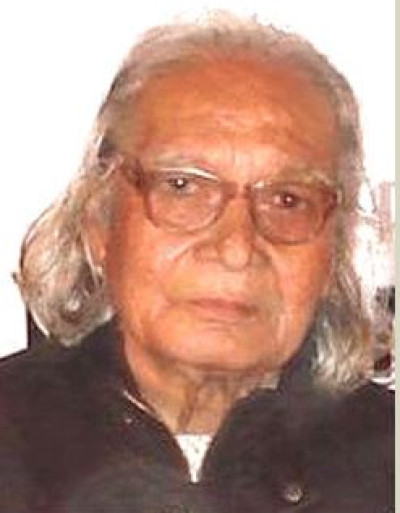
Born in 1922 at Titabar in present-day Jorhat district of Assam, Abdus Sattar developed a strong interest in literature, education, and social thought from an early age. Although he chose teaching as his profession, his passion for writing and intellectual discussions made him one of the most influential prose writers in modern Assamese literature. His works are known for their clarity, analytical approach, and meaningful exploration of Assamese society, culture, and history.
As an educator, Abdus Sattar believed that literature should inspire knowledge, critical thinking, and cultural awareness. Alongside his teaching career, he continued to write extensively, producing several books that enriched Assamese prose and literary criticism. His essays combined scholarly research with simple language, making them valuable for both students and general readers.
One of his greatest contributions was his active involvement with the Assam Sahitya Sabha, the state's premier literary organization. He served as its Secretary and also worked as Magazine Secretary, playing an important role in promoting Assamese language, literature, and literary activities. His leadership helped strengthen the organization and encouraged many emerging writers and scholars.
Abdus Sattar authored several highly regarded books that remain important references in Assamese literature. His notable works include Krishna Kanta Sandikair Jirani, Prasanga Kosh, Sammisranat Asomiya Sanskriti, Drishti Aru Shristi, and Udriti Sahachar. These books reflect his deep knowledge of Assamese culture, literary traditions, language, and philosophy. His writings continue to be appreciated for their originality, thoughtful analysis, and lasting educational value.
Apart from writing, he was widely respected as a cultural thinker who consistently encouraged the preservation of Assam's linguistic and literary heritage. Through his essays and public engagement, he promoted intellectual discussions on literature, education, and social values. His balanced viewpoints and scholarly approach earned him admiration among readers, teachers, and fellow writers.
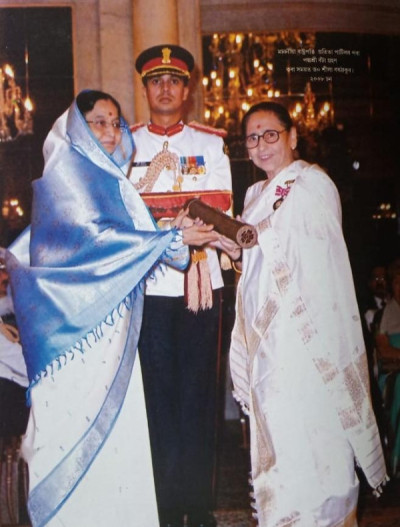
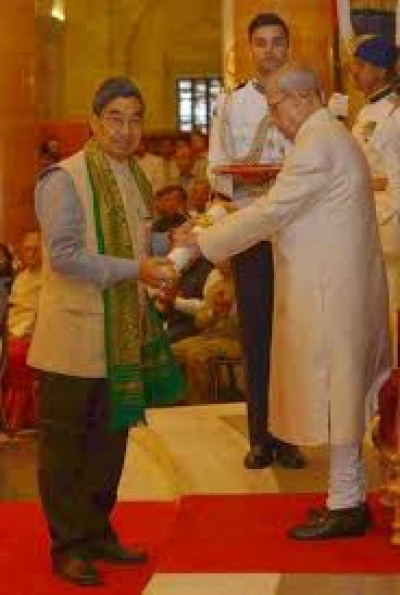
The Government of India recognized his lifelong contribution by conferring the Padma Shri in 1987 under the field of Literature and Education. The award acknowledged his outstanding service to Assamese literature and his role in strengthening the state's literary culture. Even after his passing in 1987, his influence remains significant, and several literary organizations in Assam continue to honour his memory through awards and commemorative events.
Abdus Sattar's legacy lives on through his books, educational ideals, and dedicated service to Assamese literature. He is remembered as a distinguished scholar whose writings continue to inspire researchers, students, and literature enthusiasts. His contribution occupies a respected place in the history of modern Assamese literary and cultural development.
Early Life
- Born in 1922 at Titabar, Assam.
- Developed an early interest in literature, education, and Assamese culture.
Education
- Pursued higher education before choosing teaching as his lifelong profession.
- Built a reputation as an accomplished educator and intellectual.
Career and Positions Held
- Educator and teacher.
- Assamese prose writer and thinker.
- Essayist and literary critic.
- Secretary, Assam Sahitya Sabha.
- Magazine Secretary, Assam Sahitya Sabha.
Major Literary Works
- Krishna Kanta Sandikair Jirani
- Prasanga Kosh
- Sammisranat Asomiya Sanskriti
- Drishti Aru Shristi
- Udriti Sahachar
Major Contributions
- Promoted Assamese language and literature.
- Strengthened the activities of Assam Sahitya Sabha.
- Produced influential prose and reference works.
- Encouraged literary research and cultural awareness.
- Enriched modern Assamese non-fiction and essay literature.
Awards and Recognition
- Padma Shri (1987) - Literature and Education, Government of India.
Death
Abdus Sattar passed away in 1987. He is remembered as one of Assam's distinguished literary figures whose writings and educational contributions continue to influence Assamese literature.