Detailed Narrative
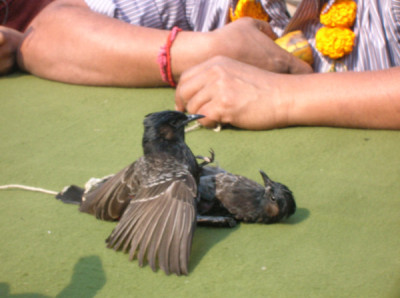
The game traditionally involves small bulbul birds that are encouraged to engage in short, symbolic contests under the supervision of trained handlers. These events are not merely competitions but cultural performances that bring communities together, particularly children and young people, who learn about heritage through participation. The birds are prepared in advance, cared for carefully, and released after the event, highlighting the ritualistic nature of the practice rather than commercial intent.

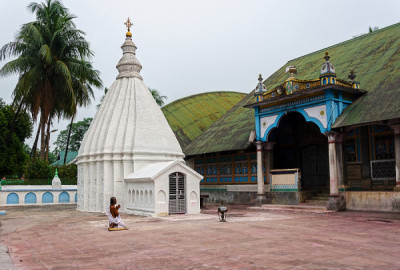
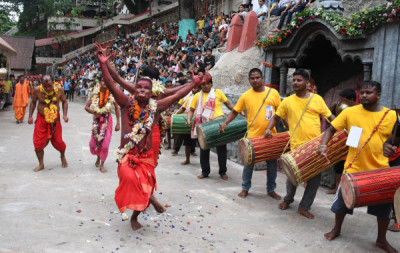
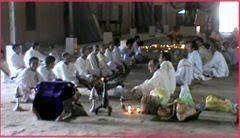
Historically, Sorai Juj has been linked to temple festivals and community gatherings, especially during Maghor Dumahi in Hajo, where it forms part of religious and seasonal observances. The tradition is believed to have evolved as a way to celebrate the strength of nature and the renewal of life after the harvest season. Alongside other Magh Bihu activities such as Meji bonfires, traditional feasts, Moh Juj, and Koni Juj, Sorai Juj adds a playful and symbolic dimension to Assamese festivities.

In modern times, Sorai Juj has drawn attention due to growing concerns over animal welfare and ethical treatment. This has led to public debate and legal scrutiny, encouraging communities to rethink how such traditions are practiced. Many cultural groups now emphasize symbolic demonstrations, controlled settings, and humane treatment to preserve heritage while respecting evolving social values.

Despite these changes, Sorai Juj continues to hold cultural importance as a living tradition of Assam. It represents celebration, community bonding, and the passing of folk customs from one generation to another. As part of Magh Bihu, Sorai Juj remains a reminder of Assams rich cultural diversity and the enduring connection between festivals, nature, and collective joy.
FAQs on Bulbuli Sorai Juj
1. What is Sorai Juj in Assamese culture?
Sorai Juj is a traditional bird contest played during Magh Bihu that symbolizes community bonding and festive joy in Assam.
2. When is Sorai Juj celebrated?
It is mainly celebrated during Magh Bihu in mid-January, alongside harvest feasts and traditional games.
3. What does Sorai Juj mean?
In Assamese, Sorai means bird and Juj means fight or contest.
4. Where is Sorai Juj most popular?
The tradition is especially associated with Hajo and nearby regions in Assam.
5. Is Sorai Juj still practiced today?
Yes, though modern practices emphasize symbolic demonstrations and humane treatment due to animal welfare concerns.
6. Which birds are used in Sorai Juj?
Traditionally, small bulbul birds are used for these contests.
7. Why is Sorai Juj important in Magh Bihu?
It adds entertainment and cultural meaning to harvest celebrations and strengthens community ties.
8. Are children involved in Sorai Juj?
Yes, children and young people often participate as observers and learners of tradition.
9. How does Sorai Juj differ from Moh Juj and Koni Juj?
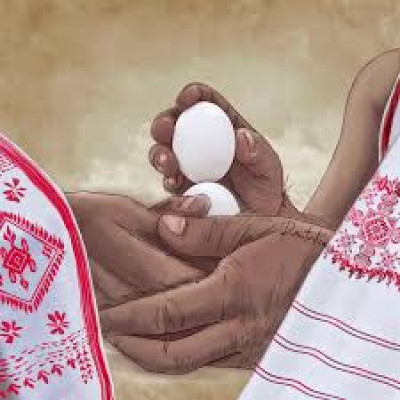
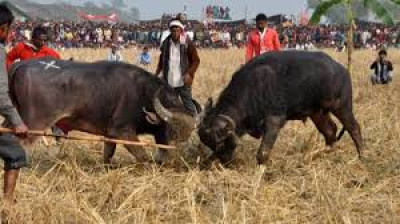
Sorai Juj involves birds, Moh Juj involves buffaloes, and Koni Juj uses eggs, each representing different folk traditions of Assam.
10. What cultural values does Sorai Juj represent?
It represents unity, seasonal celebration, folk heritage, and the continuation of Assamese traditions.