Detailed Narrative
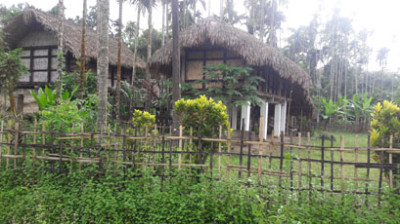
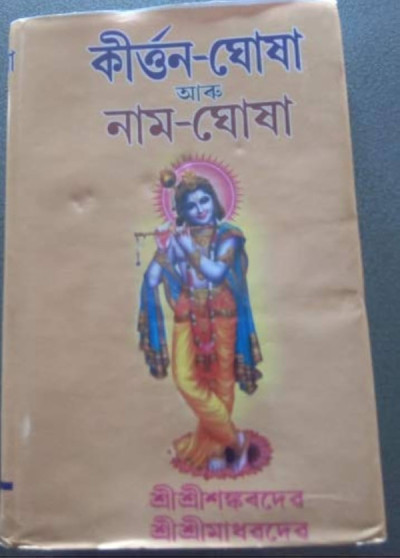
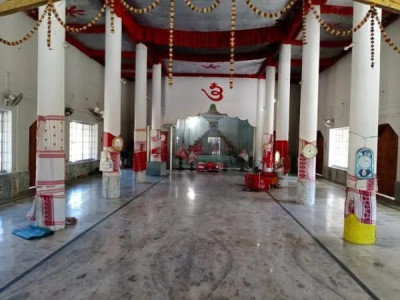
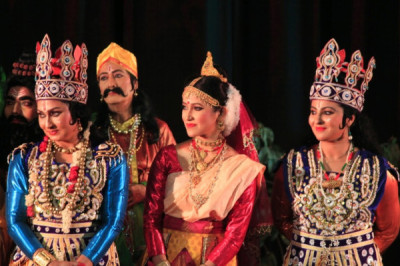
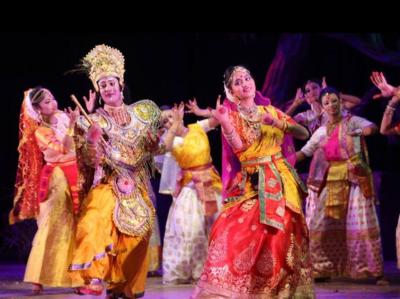
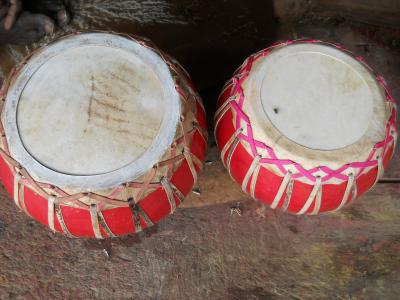
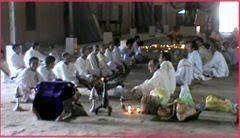
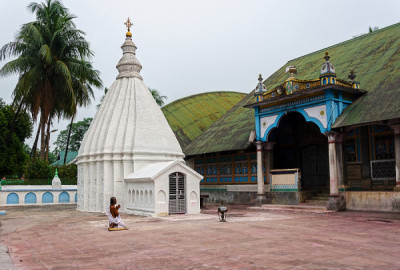
A typical satra is an enclosed monastery featuring a prayer hall known as Namghar or Kirtan-ghar, the sacred Manikut, and residential quarters called Hati, where monks (bhakats) live under the guidance of the Satradhikar. These institutions also act as custodians of ancient manuscripts, artefacts, classical dance forms like Sattriya Nritya, mask-making crafts, musical instruments, and traditional bhaona theatre.
Assam is home to more than 800+ satras, with Majuli – the world’s largest river island – serving as the cultural heart of the Satra tradition. Some of the most prominent satras include Auniati Satra, Kamalabari Satra, Dakhinpat Satra, Garamur Satra, Bengenaati Satra, and Samaguri Satra.
Each satra has its own artistic identity:
-
Auniati Satra is renowned for Paalnaam and Apsara dance.
-
Dakhinpat Satra is the prime venue for Rasleela celebrations.
-
Samaguri Satra is globally famous for its ancient mask-making tradition.
-
Kamalabari & Uttar Kamalabari Satras are centres for classical learning and boat-making.
-
Bengenaati Satra preserves royal artefacts like the golden umbrella of the Ahom kings.
Today, satras continue to influence Assam’s cultural, religious, and social landscape despite facing challenges such as erosion, encroachment, and modernization. They remain key destinations for cultural tourism, spiritual learning, and heritage exploration.
Quick Info Table on Satras in Assam
| Topic | Details |
|---|---|
| Founded By | Srimanta Sankardeva (15th century) |
| Main Purpose | Promote Ekasarana Dharma & preserve Assamese culture |
| Key Structures | Namghar, Manikut, Hati |
| Major Locations | Majuli, Barpeta, Nagaon, Jorhat |
| Famous Satras | Auniati, Dakhinpat, Kamalabari, Samaguri, Bengenaati |
| Major Art Forms | Sattriya Dance, Bhaona, Borgeet, Mask-Making |
| Best Time to Visit | October–March (Raas Festival peak) |
| Managed By | Satradhikar & monastic community |
| Cultural Significance | Heritage, dance, music, rituals, manuscripts |
| Tourist Attraction Level | Very High |
FAQs on Satras in Assam
1. What are Satras in Assam?
Satras are Neo-Vaishnavite monastic institutions founded by Srimanta Sankardeva that preserve Assam’s religious, cultural, and artistic heritage.
2. Who established the Satras of Assam?
Srimanta Sankardeva established the first satras in the 15th century, and later his disciples expanded them across Assam.
3. How many Satras are there in Assam?
There are more than 800+ Satras, with Majuli being the main hub of famous satras.
4. What is the importance of Satras in Assamese culture?
Satras are centres of spiritual learning, traditional arts, dance, music, theatre, literature, and social reform.
5. What is the structure of a Satra?
A satra includes a Namghar (prayer hall), Manikut (sanctum), and Hati (monk quarters), forming a four-sided enclosed campus.
6. Which are the most famous Satras in Assam?
Major satras include Auniati, Kamalabari, Dakhinpat, Garamur, Samaguri, and Bengenaati Satras.
7. Why is Majuli known for Satras?
Majuli hosts some of the oldest and culturally rich satras, making it a major centre for Neo-Vaishnavite traditions.
8. What festivals are celebrated in Satras?
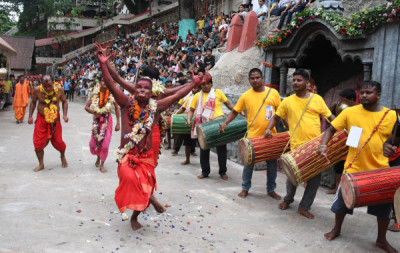
Rasleela, Janmashtami, Paalnaam, Bihu, Bhaona Utsav, and Sattriya dance festivals are celebrated.
9. Are Satras open for tourists?
Yes, most satras welcome visitors and offer insights into traditional dance, music, mask-making, and rituals.
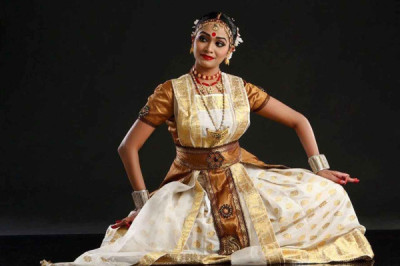
10. What is Sattriya Dance?
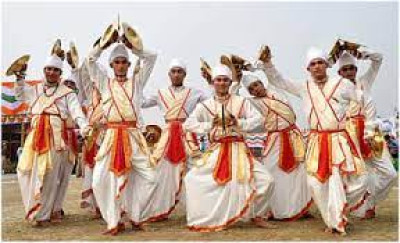
Sattriya is a classical Indian dance form created by Srimanta Sankardeva and preserved within the satras.