Detailed Narrative
Origin and Evolution of Namghars in Assam
Namghars were established as part of the Ekasarana Naam Dharma, the reformed Vaishnavite faith propagated by Sankardev. At a time when society was burdened with superstition, caste divisions, and ritualistic exploitation, Sankardev created the Namghar as an open, democratic platform for all people—irrespective of caste, class, or gender—to gather, pray, learn, and participate in community life.
The first Namghar was founded by Sankardev in Bordowa (Nagaon district). Over time, his disciples and followers such as Madhavdev and Damodardev expanded the Namghar tradition across Assam. Today, almost every village in Assam has at least one Namghar, highlighting its deep-rooted cultural importance.
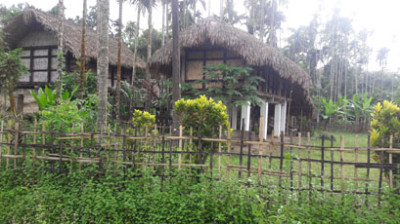
Structure and Architectural Layout of Namghar
A Namghar typically includes several key sections, each with a spiritual and functional purpose:
1. Baatchora
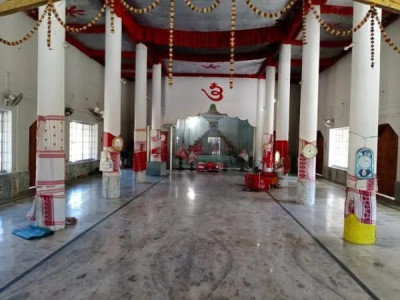
A large hall where devotees gather to offer prayers, chant naam, and participate in festivals and community events.
2. Manikut (Sanctum)
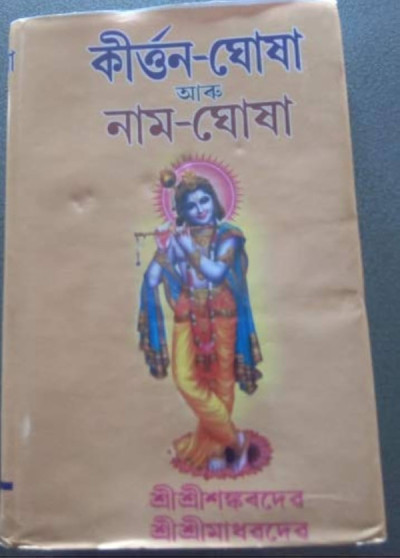
The most sacred corner of the Namghar, housing the Guru Asana (altar) where religious texts like Bhagavata and Kirtans are placed.
3. Choghar
A dedicated space for ritual offerings and ceremonial practices.
4. Kirtanghar
Another name for the Namghar, often referring specifically to the main prayer hall used for devotional singing (kirtan).
5. Open Areas for Performance
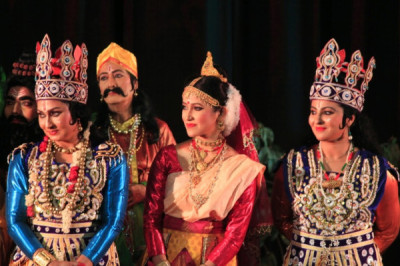
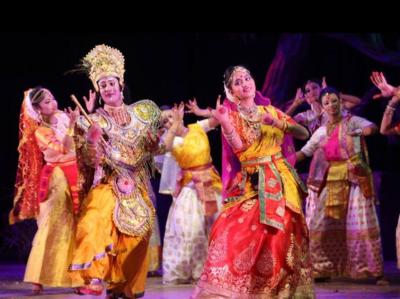
Namghars also include open spaces for Bhaona, a traditional religious theatre introduced by Sankardev.
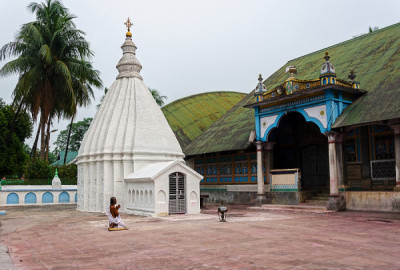
As the central building of a Satra (Vaishnavite monastery), the Namghar is usually surrounded by monks’ residences, prayer spaces, and administrative rooms, highlighting its spiritual prominence.
Functions and Significance of Namghars
Namghars serve multiple roles in Assamese society:
1. Spiritual & Devotional Centre
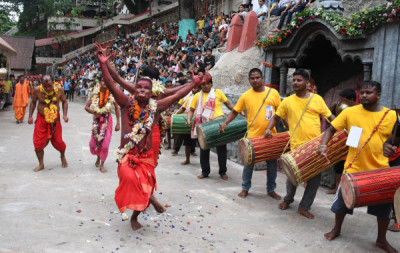
Devotees gather to chant Naam, sing Kirtan, read sacred texts, and engage in community prayers. The peaceful environment promotes moral discipline and spiritual development.
2. Cultural & Artistic Hub
Namghars are the birthplace of many Assamese art forms:
-
Bhaona (religious drama)
-
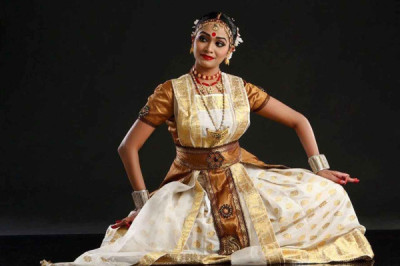
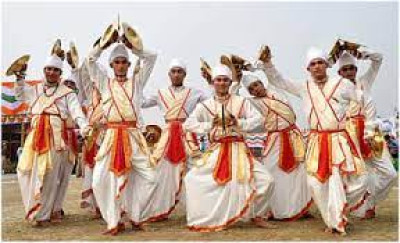
Sattriya Nritya (classical dance form)
-
Sankari Sangeet (devotional music)
Cultural classes, Bihu practices, traditional music rehearsals, and theatrical performances are regularly conducted here.
3. Social & Community Institution
Namghars function like community parliaments. They serve as:
-
Meeting centers
-
Social discussion platforms
-
Conflict resolution venues
-
Decision-making forums
Their inclusive setup makes them powerful symbols of grassroots democracy.
4. Educational Platform
Historically, Namghars played a major educational role by allowing common people to learn:
-
Scriptures
-
Classical music
-
Dance
-
Performance arts
-
Ethical valuesThis democratized education beyond the traditional monastic schools.
5. Promoting Unity & Social Reforms
The Namghar helped eliminate caste barriers, encouraged equality, and unified people across communities. It promoted a peaceful, harmonious lifestyle aligned with Sankardev’s humanistic philosophy.
6. Cultural Preservation
Namghars safeguard Assam’s centuries-old traditions, ensuring their continuity through festivals, rituals, and community participation.
7. Economic Contribution
Major Namghars attract pilgrims and tourists, creating opportunities for:
-
Local markets
-
Artisans
-
Performance groups
-
Cultural tourism
Famous Namghars in Assam
Dhekiakhowa Bornamghar (Jorhat)
A historic Namghar founded by Madhavdev, known for its continuously burning holy lamp.
Athkheliya Namghar (Golaghat)
Established during the Ahom reign by King Gadapani in 1681; a well-known pilgrimage centre.
Bordowa Than (Nagaon)
Location of the first Namghar established by Srimanta Sankardev.
Other notable Namghars
Beyond Assam, Namghars exist even in Puri, near the Jagannath Temple, showing their widespread influence.
Role in Modern Assamese Society
Even today, Namghars continue to shape Assamese identity. They:
-
Preserve indigenous culture
-
Strengthen rural and urban communities
-
Encourage moral and spiritual values
-
Provide a platform for festivals and traditional performances
-
Support religious tourism
Namghars represent the living heritage of Assam—a dynamic blend of devotion, community spirit, culture, and tradition.
Quick Info Table on Namghar
| Category | Details |
|---|---|
| Type | Community prayer hall |
| Founded By | Srimanta Sankardev |
| First Namghar | Bordowa, Nagaon |
| Main Purpose | Worship, chanting, cultural activities |
| Key Structures | Baatchora, Manikut, Choghar, Kirtanghar |
| Cultural Activities | Bhaona, Sattriya dance, Sankari Sangeet |
| Religion Associated | Ekasarana Naam Dharma (Neo-Vaishnavism) |
| Materials Used | Wood, bamboo, thatch (traditional) |
| Major Festivals | Naam-Prasanga, Janmashtami, Bihu |
| Famous Namghars | Dhekiakhowa Bornamghar, Athkheliya Namghar |
FAQs on Namghar
-
What is a Namghar in Assam?A Namghar is a community prayer house introduced by Srimanta Sankardev for worship, chanting, social gatherings, and cultural activities.
-
Who established the first Namghar?Srimanta Sankardev established the first Namghar at Bordowa in Nagaon district.
-
What is the purpose of a Namghar?Namghars serve as spiritual centres, cultural hubs, meeting places, and platforms for community decision-making.
-
What activities take place in a Namghar?Chanting, kirtan, Bhaona performances, festivals, meetings, cultural rehearsals, and social discussions.
-
What is Manikut in a Namghar?Manikut is the sanctum where the Guru Asana is placed and sacred scriptures are kept.
-
What is the difference between Namghar and Kirtanghar?Both refer to prayer halls, but Kirtanghar often denotes the main hall used specifically for devotional singing.
-
Are Namghars connected to Satras?Yes, every Satra has a central Namghar around which the other buildings are arranged.
-
Why are Namghars important in Assamese culture?They preserve traditions, foster unity, promote education, and support social and spiritual development.
-
Where are major Namghars located in Assam?Key Namghars include Dhekiakhowa Bornamghar (Jorhat), Athkheliya Namghar (Golaghat), and Bordowa Than (Nagaon).
-
Do Namghars hold cultural festivals?Yes, many festivals like Bihu, Bhaona, Naam-Prasanga, and traditional music events are celebrated here.