The Hidden Runways of Assam: Allied Secrets and Modern Strategic Legacies
When discussing the major battlefronts of the Second World War, attention is often focused on Europe or the Pacific. Yet hidden within the valleys, tea gardens, forests, and river plains of Assam lies an extraordinary chapter of military history. During World War II, Assam became a critical operational base for Allied forces, hosting a network of airfields and emergency landing grounds that supported some of the largest logistical missions ever undertaken.
The strategic importance of Assam emerged after the Japanese occupation of Burma in 1942. With the Burma Road cut off, Allied commanders urgently needed alternative routes to maintain supplies to China. As a result, Assam became the backbone of the China-Burma-India (CBI) Theater, serving as a launch point for air operations, military transport missions, and overland supply networks.
Lidu Airstrip: Gateway to the Eastern Frontier
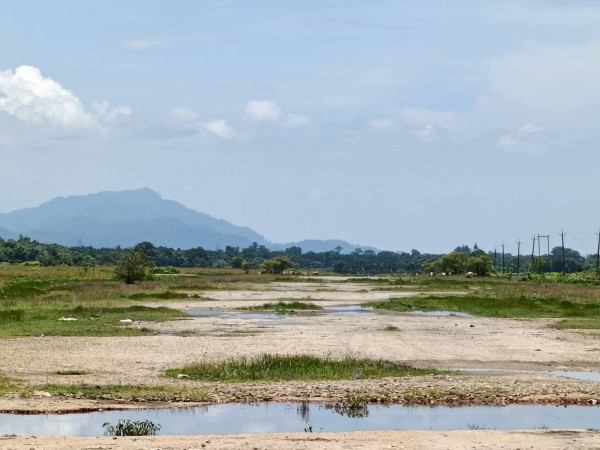
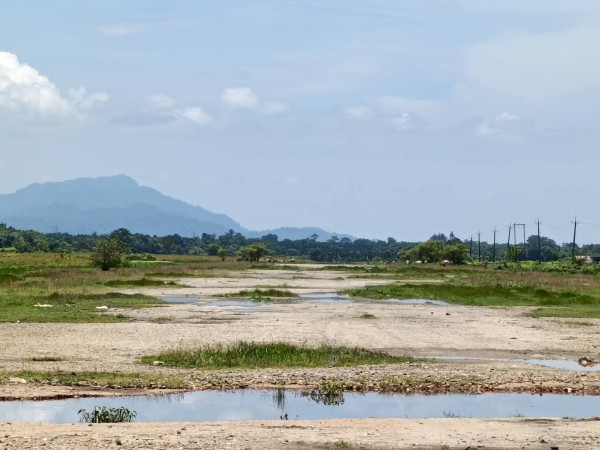
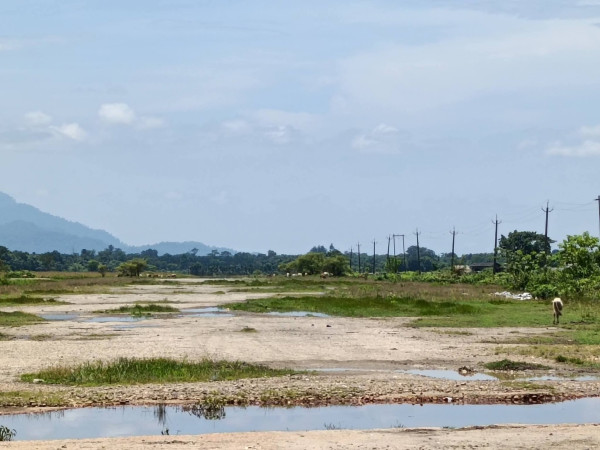
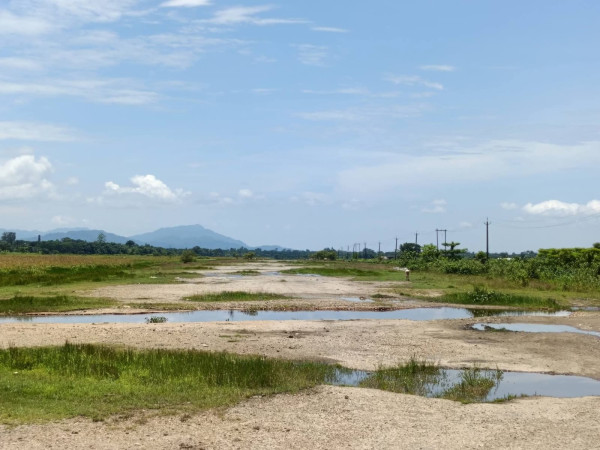
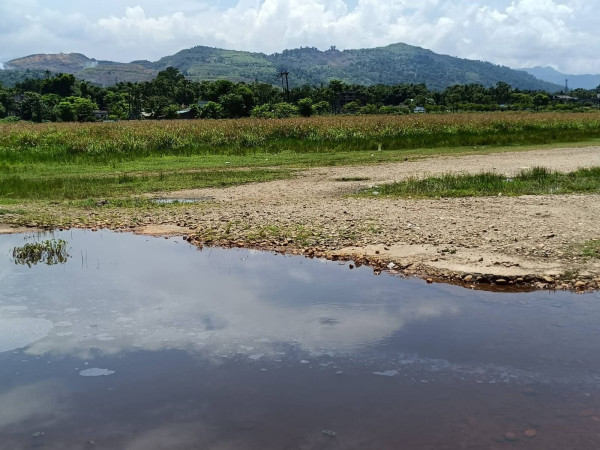
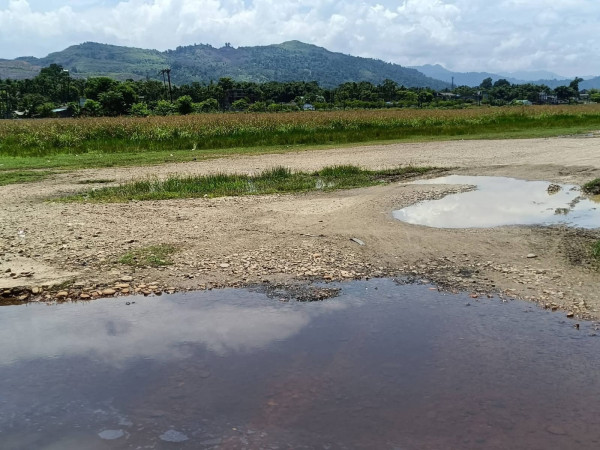
Among Assam's lesser-known wartime airfields was Lidu Airstrip, located near the foothills of the Patkai Hills in eastern Assam. Constructed in 1944 by the United States Army Corps of Engineers and the United States Army Air Forces with support from British India, the airfield functioned primarily as a transport base rather than a combat airfield.
Positioned at the meeting point of the Brahmaputra Valley, the Patkai Hills, and the Eastern Himalayas, Lidu occupied a unique geographical location. It served as a major logistics hub connecting India with Burma and China.
Transport aircraft such as the Curtiss C-46 Commando and Douglas C-47 Skytrain regularly operated from the airfield, carrying troops, fuel, equipment, food supplies, and medical materials. Smaller liaison aircraft were also used for reconnaissance missions and casualty evacuation.
Lidu played an important role in supporting military campaigns in northern Burma and facilitating construction activities along the famous Stilwell Road, which connected India to China through Burma.
Flying the Legendary Hump
One of the most daring aviation operations in military history originated from Assam's wartime airfields. Known as "The Hump," this aerial supply route crossed the dangerous mountain ranges of the Eastern Himalayas to reach China.
Pilots flying over the Hump faced severe weather, monsoon storms, icing conditions, unpredictable winds, and mountain peaks rising above 20,000 feet. Without modern navigation technology, these missions were among the most hazardous of the war.
Despite enormous challenges and heavy losses, the Hump Airlift became one of the largest and longest sustained military air supply operations ever conducted. It played a crucial role in maintaining Chinese resistance against Japanese forces.
Assam's Network of Allied Airfields
Lidu was only one part of a much larger aviation network. Airfields at Dinjan, Sookerating, Rupsi, Chabua, and other locations formed an interconnected system supporting Allied operations across South and Southeast Asia.
Dinjan and Sookerating functioned as major transport and fighter bases, protecting critical supply routes and supporting military actions in Burma. Rupsi Airfield, established in western Assam, served as an important forward operating base and transit point for aircraft flying challenging routes through northeastern India.
Many smaller emergency landing grounds and auxiliary airstrips were also developed throughout Assam. Often built amidst forests, tea estates, and remote countryside, these facilities provided safe landing options for damaged aircraft and emergency operations.
The Forgotten Story of Barnagar Airfield
Another little-known wartime aviation site was the Barnagar Airfield near Sorbhog in present-day western Assam. Constructed by British authorities during World War II, the airfield played a supporting role in regional military operations.
The airfield is also associated with an important chapter of India's freedom movement. During the Quit India Movement, noted cultural figure Brajanath Sarma and his associates were linked to efforts that disrupted the functioning of the aerodrome.
Today, only a few remnants of the former airfield survive. Some old structures have been renovated and incorporated into village life, while others remain abandoned. The original runway itself has disappeared completely after being swallowed by the shifting course of the Beki River, which has repeatedly altered its path over the decades.
From Wartime Airstrips to Modern Strategic Infrastructure
Although World War II ended more than seventy years ago, Assam's strategic importance continues in the modern era. Located near sensitive international borders and vital transportation corridors, the region remains a key component of India's defense infrastructure.
Inspired by the wartime concept of dispersed aviation facilities, modern emergency landing infrastructure has been developed across Assam. A notable example is the Emergency Landing Facility constructed along a section of National Highway near Moran in Dibrugarh district. This specially reinforced stretch can accommodate fighter aircraft and military transport planes during emergencies or operational requirements.
Such developments demonstrate how lessons learned during World War II continue to influence strategic planning and military preparedness in northeastern India.
Preserving Assam's Aviation Heritage
The abandoned runways, surviving hangars, forgotten military structures, and restored airports scattered across Assam represent an important but often overlooked part of Indian and global history. These sites tell the story of a region that became a lifeline for Allied forces during one of humanity's greatest conflicts.
From the abandoned runway at Lidu to the vanished airfield at Barnagar and the operational legacy visible at Rupsi and Moran, Assam's hidden runways continue to connect the past with the present. They stand as enduring reminders of courage, engineering achievement, and the strategic significance of a region that helped shape the outcome of World War II.
Why Were Assam's Airfields Important During World War II?