Detailed Narrative
The word Gamocha is derived from two Assamese words: 'Ga' meaning body and 'Mosa' meaning to wipe. While this literal meaning suggests its use as a cloth for wiping the body, the cultural importance of the Gamocha extends far beyond this basic function. It is an integral part of Assamese daily life as well as special occasions, making it a unique cultural artifact that reflects the soul of Assam.
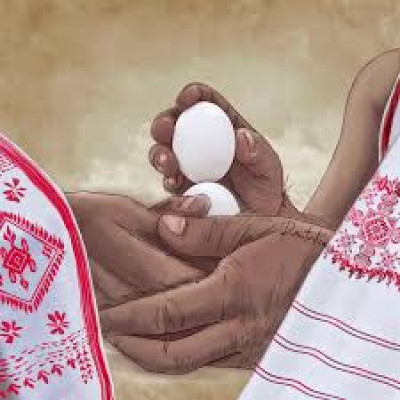
Traditionally, a Gamocha is handwoven using cotton threads, making it soft, breathable, and highly absorbent. It is typically white in color with red borders and intricate woven motifs. The red color symbolizes energy, positivity, and cultural vibrancy, while the white base represents purity and simplicity. In some cases, especially for special occasions, Gamochas are also made using silk, adding elegance and richness to their appearance.
The design of a Gamocha is simple yet artistic. It is usually rectangular in shape, approximately two feet in width and four feet in length. The borders often feature traditional patterns, and the decorative motifs may include floral designs, geometric shapes, or symbolic elements that reflect Assamese folklore and beliefs. These motifs showcase the creativity and craftsmanship of Assamese weavers, many of whom have inherited this skill through generations.
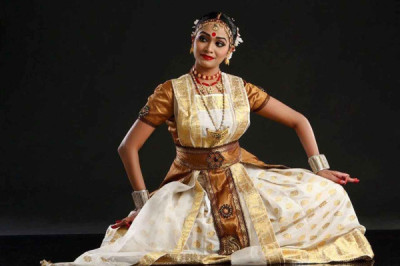
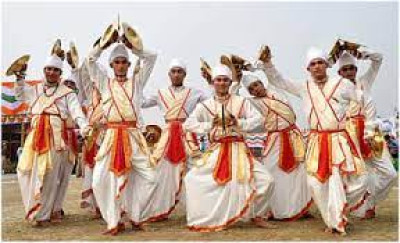
One of the most important aspects of the Gamocha is its association with the festival of Bohag Bihu, also known as Rongali Bihu. During this vibrant spring festival, the Gamocha plays a central role in celebrations. It is used by Bihu dancers, who tie it around their heads or shoulders as part of their traditional attire. The special Gamocha used during Bihu is often referred to as Bihuwaan, and it is gifted as a token of love and respect, especially to elders.
In Assamese culture, the Gamocha is widely used to welcome guests. Offering a Gamocha along with betel nut and betel leaf is considered a traditional gesture of hospitality. It signifies respect and honor towards the guest and reflects the warm and welcoming nature of Assamese society. This custom is deeply rooted in tradition and continues to be practiced across both rural and urban areas.
Beyond festivals and ceremonies, the Gamocha is also used in everyday life. Farmers, fishermen, and laborers often use it as a headgear, waistcloth, or scarf to protect themselves from heat and sweat. Its lightweight and absorbent nature make it highly practical for daily use. At the same time, it retains its cultural value, bridging the gap between utility and tradition.
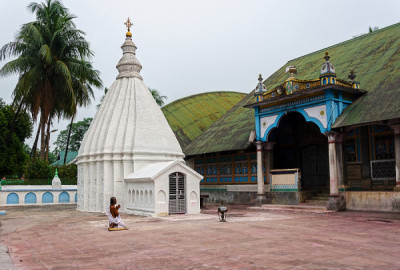
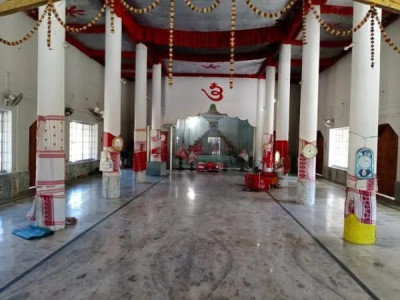
The Gamocha also holds religious significance. It is commonly used in prayer halls and temples to cover sacred texts or altars. Placing religious items on a Gamocha is considered a mark of respect and purity. During spiritual gatherings, it is often draped around the neck as a symbol of devotion and humility.
Historically, the Gamocha has been mentioned in various texts and accounts related to Assam. Scholars and historians have noted its presence during the Ahom era, indicating its long-standing importance in Assamese society. Over time, it has evolved in design and usage but has never lost its cultural essence.
In recent years, the Gamocha has gained wider recognition beyond Assam. It has been awarded a Geographical Indication (GI) tag, which highlights its authenticity and cultural importance. This recognition not only protects the traditional craft but also promotes the livelihood of local weavers who continue to produce Gamochas using traditional methods.
Interestingly, while similar cloth items exist in other parts of India, the Assamese Gamocha stands out due to its unique design, symbolism, and cultural significance. It is not merely a piece of fabric but a representation of Assamese identity, unity, and pride. It is used by people of all communities, regardless of religion or ethnicity, making it a symbol of inclusivity and shared heritage.
In modern times, the Gamocha has also found its place in fashion and contemporary design. Designers are incorporating traditional patterns into modern clothing, accessories, and home decor items. Despite these innovations, the essence of the Gamocha remains unchanged, continuing to connect people with their roots.
The enduring relevance of the Gamocha lies in its ability to adapt while preserving tradition. It is a living symbol of Assamese culture that continues to be cherished across generations. Whether used in daily life, gifted during celebrations, or worn with pride during festivals, the Gamocha remains a timeless representation of Assam's cultural richness.
FAQs on Gamocha